
Temple Introduction
1、 The History of South Shaolin Temple
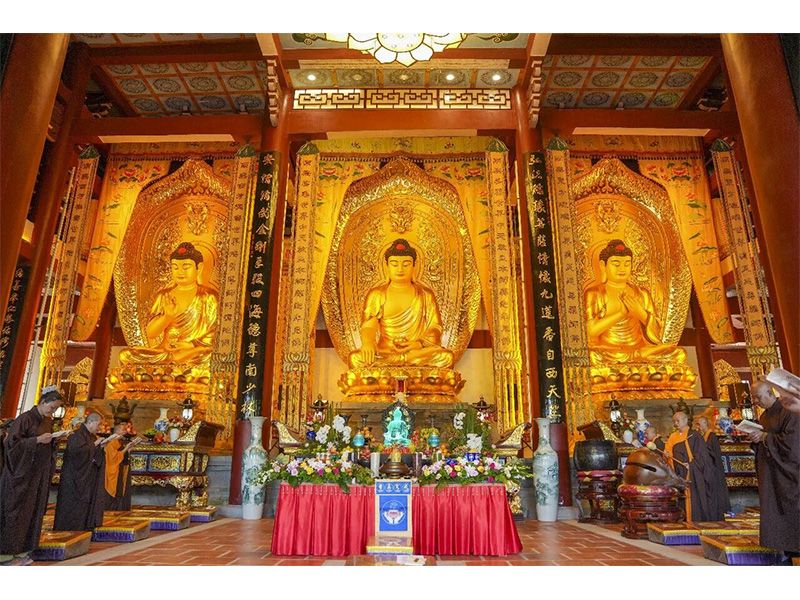
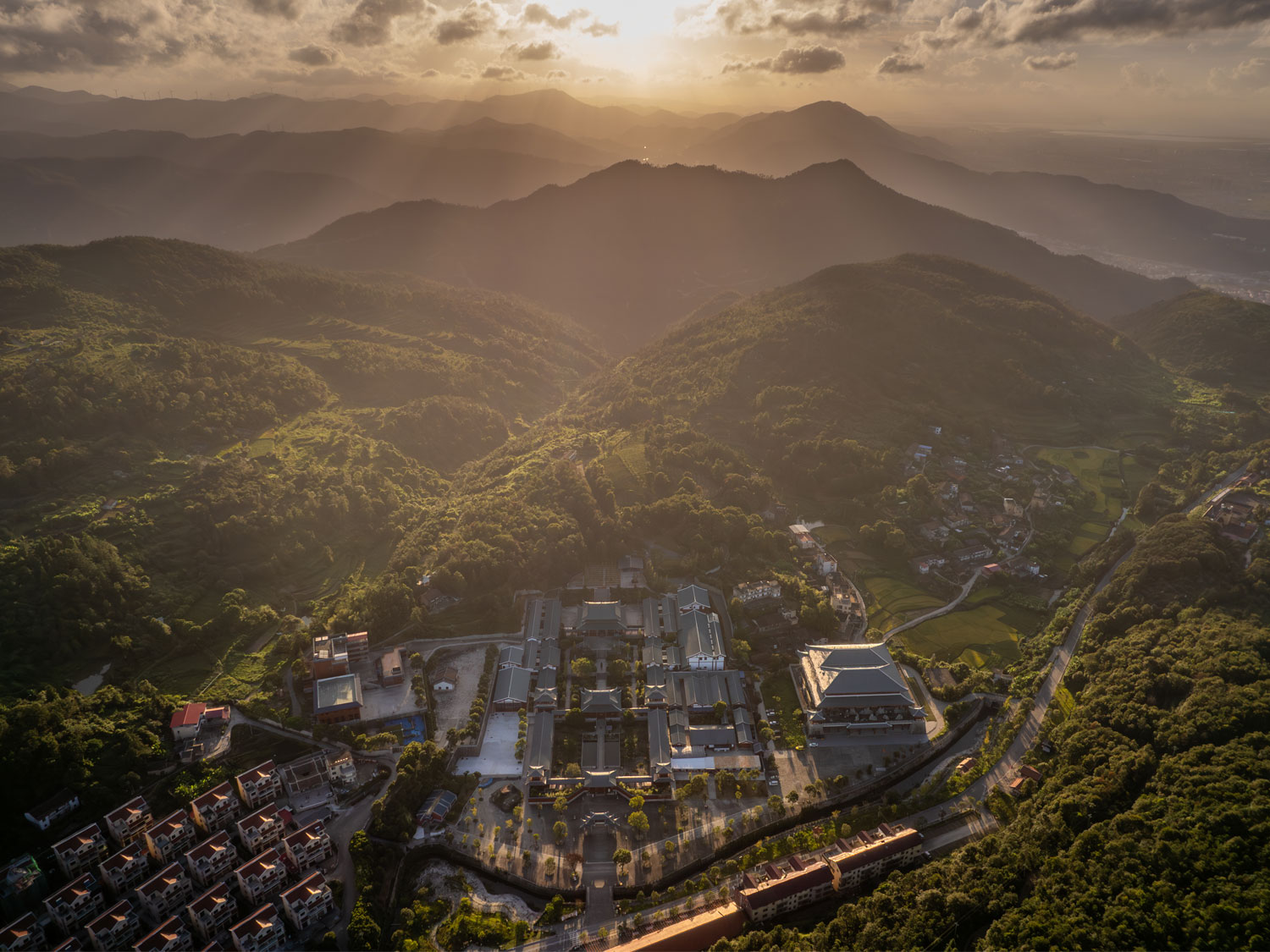
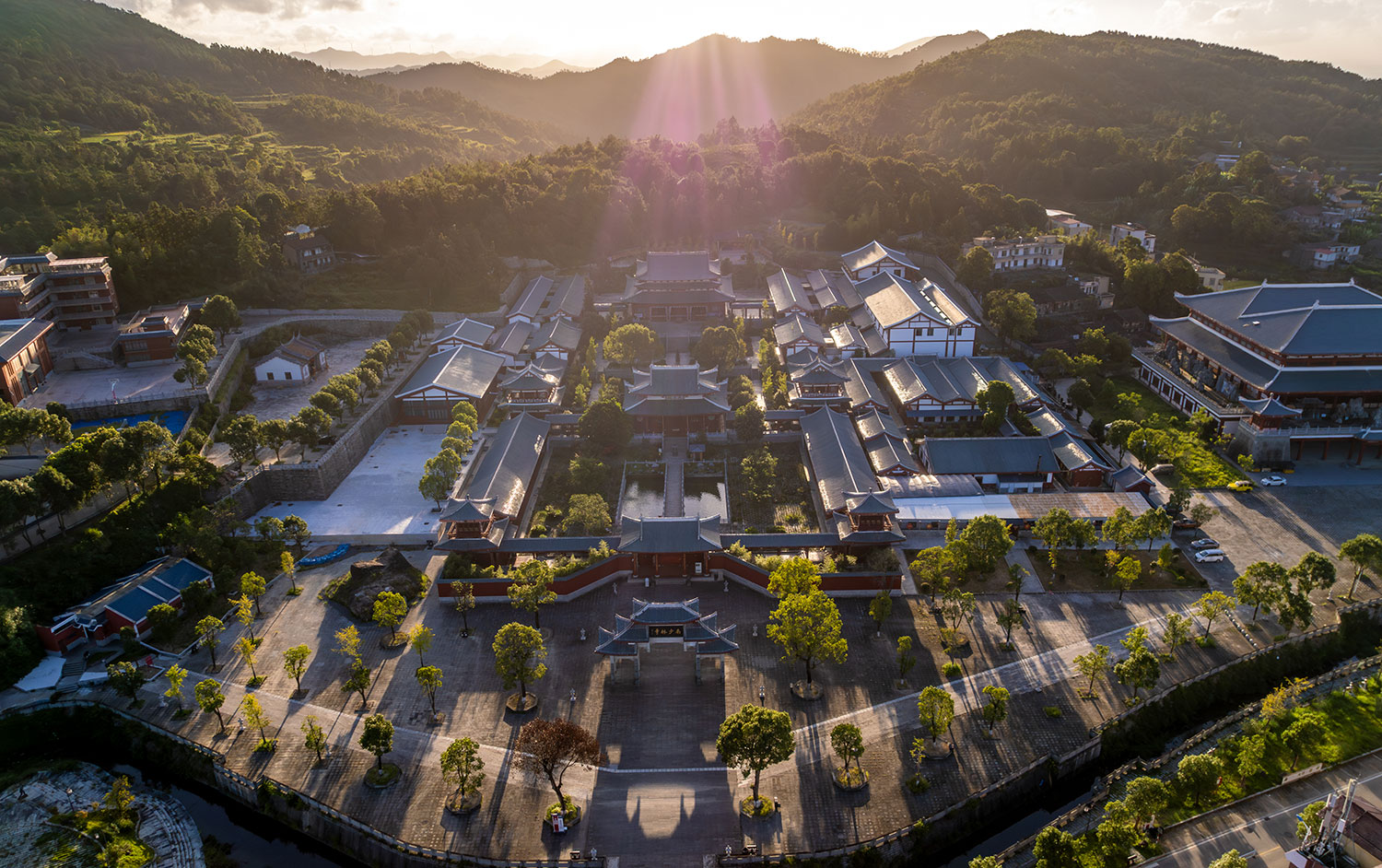
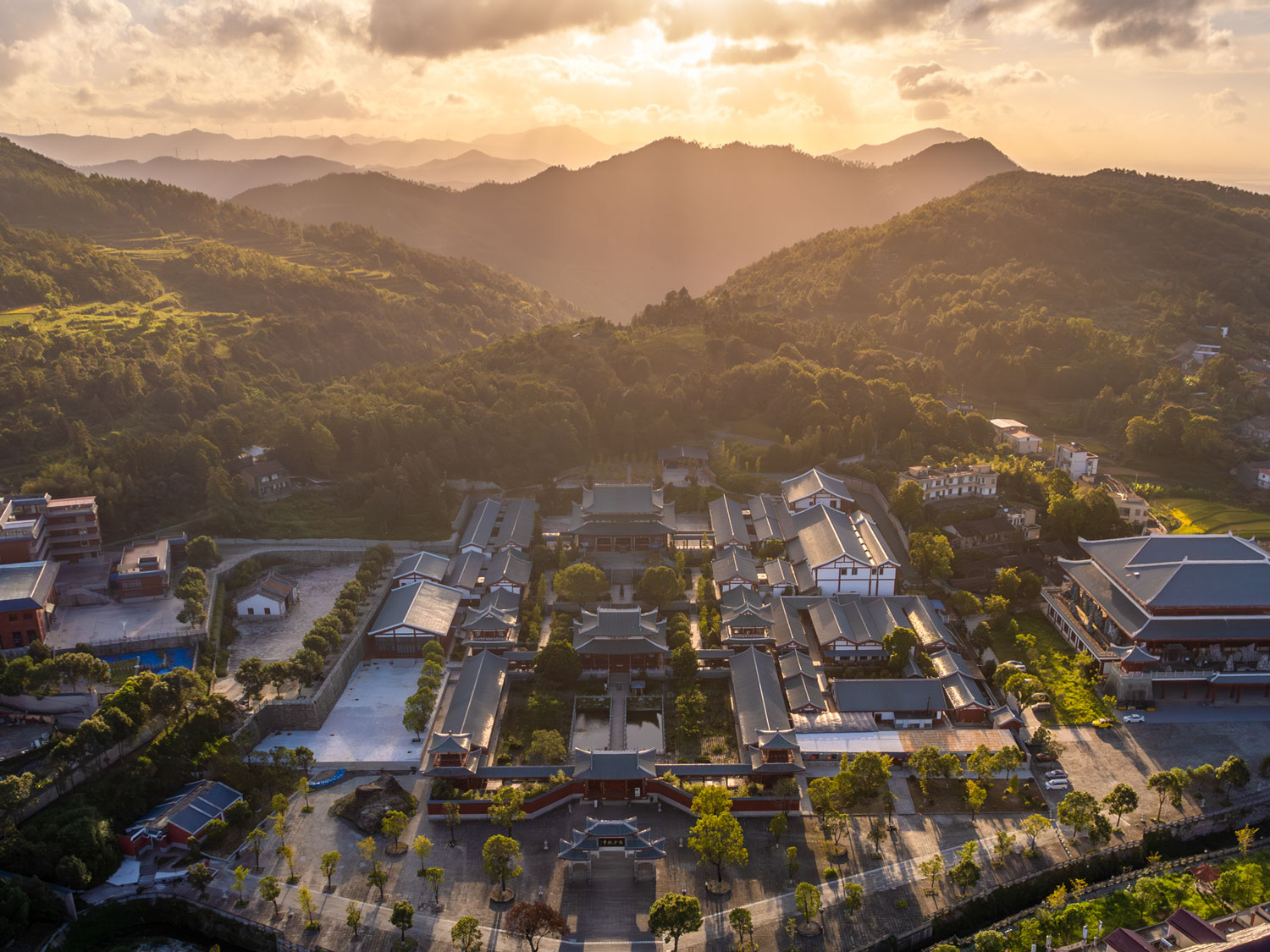
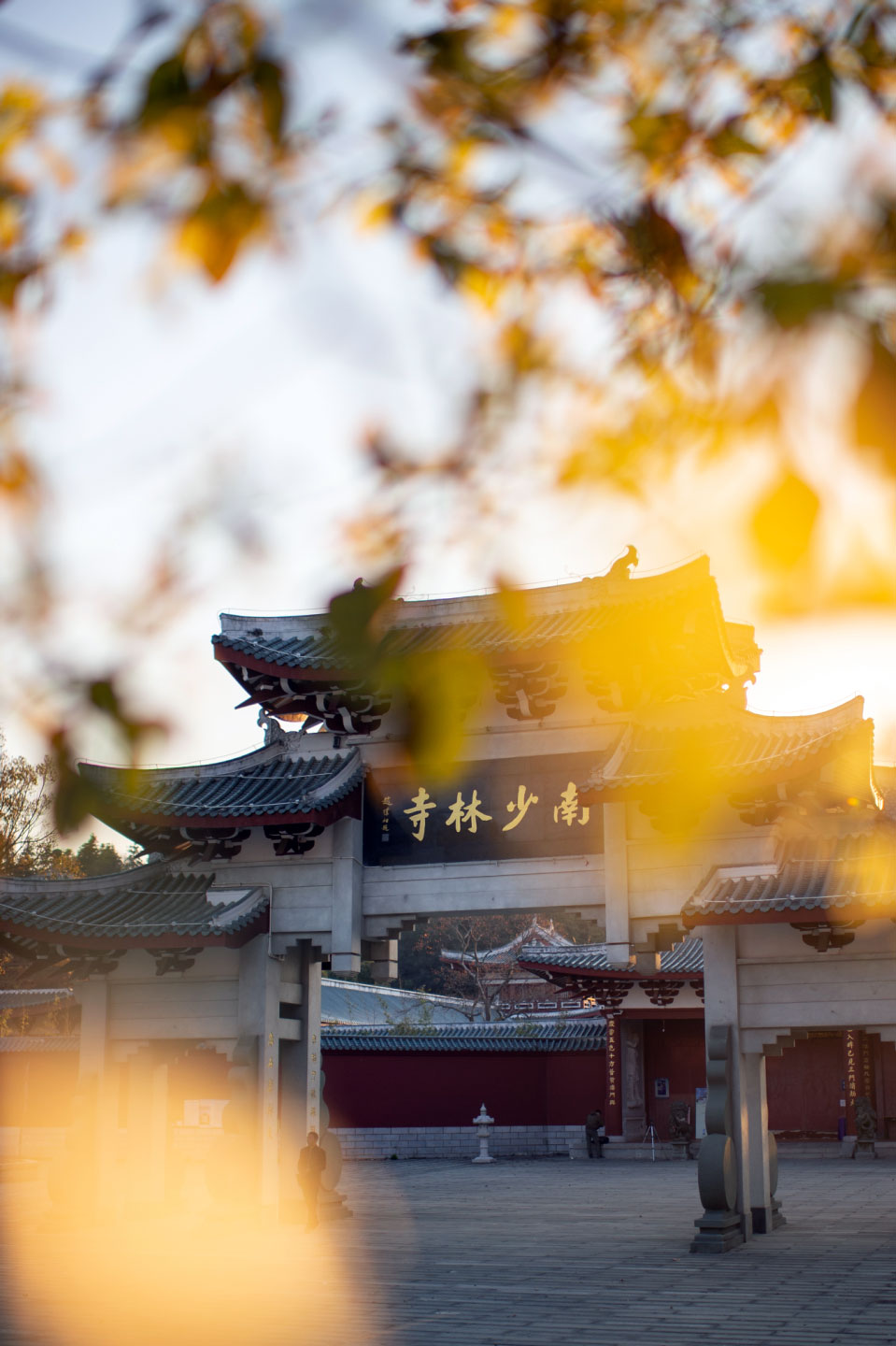
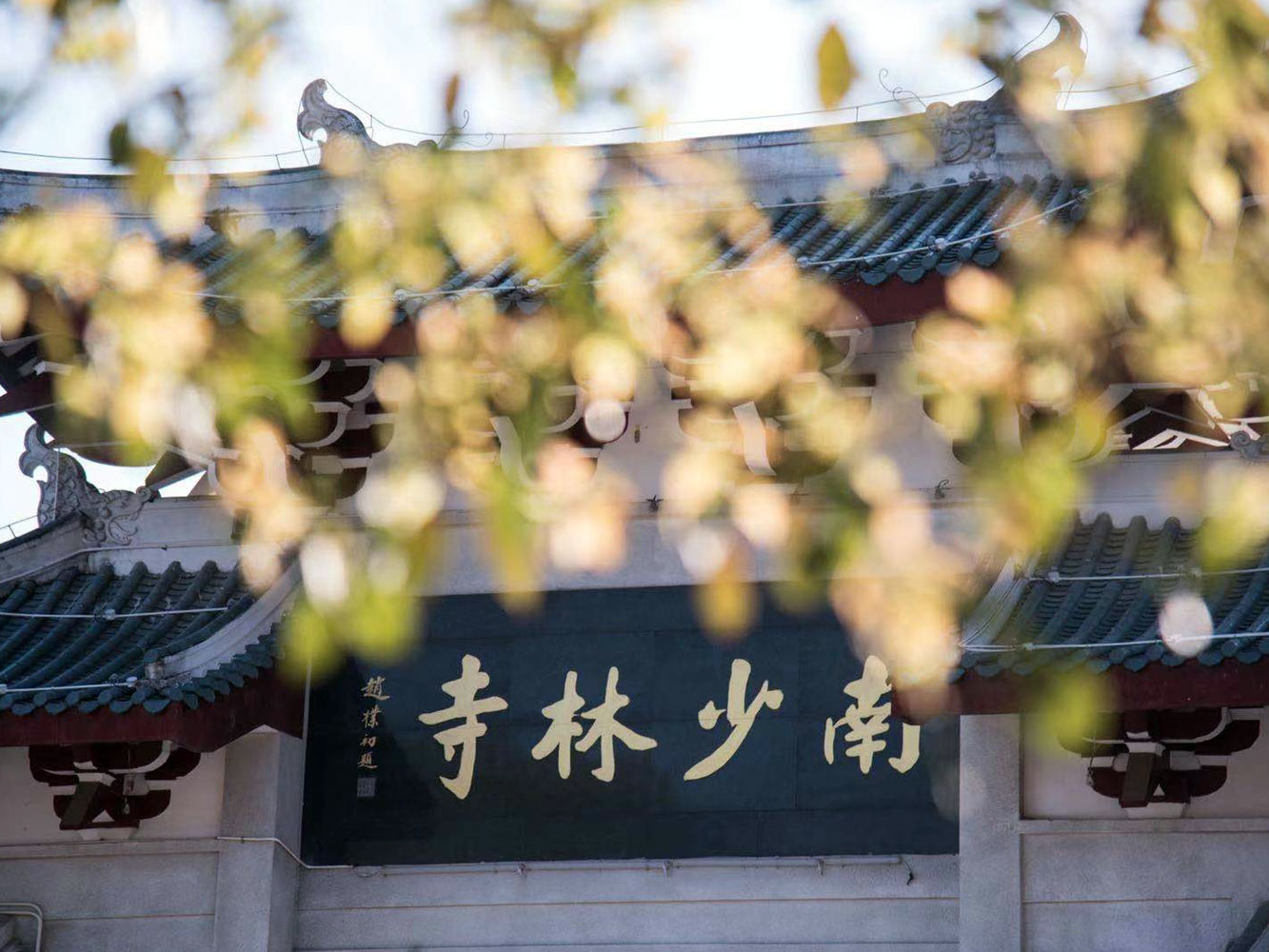
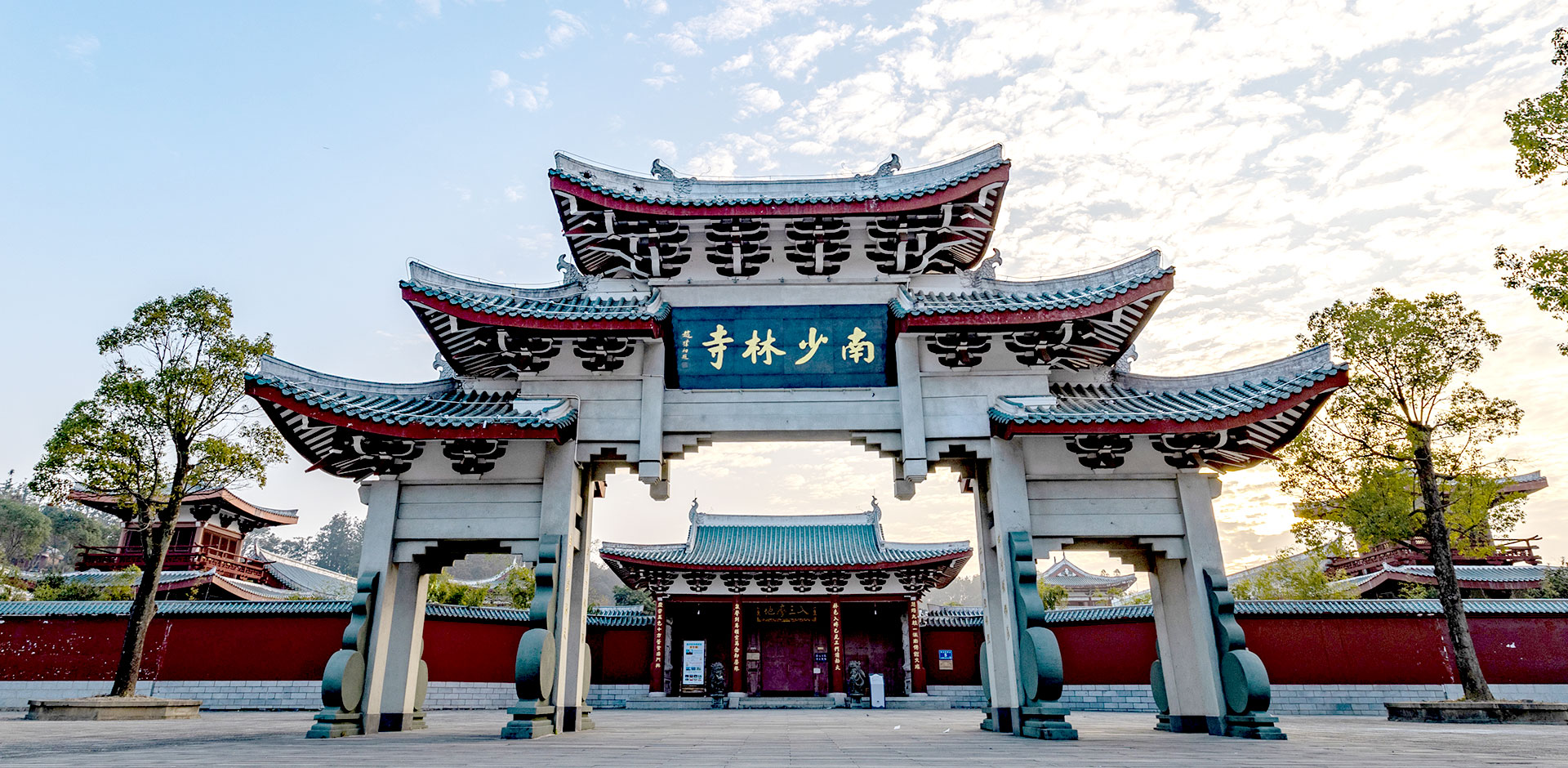
The South Shaolin Temple is located on Jiulian Mountain in Putian, Fujian. Its predecessor, Linquan Temple, was founded in the first year of Chen Yongding in the Southern Dynasty (557 AD), more than 1400 years ago.
In the early years of the Tang Dynasty, pirates were rampant along the southeast coast. Upon the order of Emperor Taizong of Tang, the abbot of Shaolin Temple, Monk Tanzong, sent three of the thirteen stick monks, Daoguang, Sengman, and Sengfeng, to lead 500 monk soldiers to Fujian to quell the banditry. After their success, the people were able to live and work in peace and contentment, and they were deeply persuaded to stay. Emperor Taizong of Tang praised the thirteen stick monks for their rescue and granted permission to build a temple in the local area. Tan Zong and Shang Rang Dao Guang searched for a place in Fujian that was similar to the Nine Peaks Lotus Mountain in Mount Song, and established the Shaolin Temple in the south: firstly, to show that they will not forget their ancestral home; Spread Mahayana Zen Buddhism along the coast and recite a verse:
By the sea, the thief has been stealing for a long time, and there is a lodging at the foot of Jiulian Mountain,
The Shaolin Temple in the north and south is the same, and Mahayana Zen remains in my heart.
The Linquan Temple "coincides with the verse, and Dao Guang and his companions settled here, thus becoming the Shaolin Temple in the south, known as the" South Shaolin Temple "by the world. It is the cultural heritage of Zen Buddhism in China and the birthplace of Shaolin Nanquan, as well as an important center for martial arts activities in the southeast.
2、 The Propagation and Dissemination of Southern Shaolin Martial Arts
Since its establishment in the early Tang Dynasty, Nan Shaolin has been spreading martial arts techniques to the outside world in various forms for over 1000 years. The combination of martial arts brought by northern monks and the regional culture of the south forms the unique characteristics of southern boxing. During its heyday, many lay disciples came to the temple to practice Zen and martial arts.
In the early years of the Qing Dynasty, influenced by the "Anti Qing and Restoration of Ming" activities organized by the Heaven and Earth Society (also known as the "Red Flower Society", later known as the "Hongmen") in this area, the South Shaolin Temple was destroyed by war. Monks and lay disciples flowed into the folk, continuing to inherit and promote Zen and martial arts culture, and reproducing the Southern Fist lineage. With the large-scale maritime Silk Road "going to Southeast Asia" during the late Ming and early Qing dynasties, the Southern Shaolin Temple was widely spread to various parts of Southeast Asia. As a result, with the footsteps of Chinese boxers spreading throughout Oceania, America and other parts of the world, the Southern Shaolin Temple was revered as the "ancestral home of Southern Fist" by various schools around the world.
3、 The Reproduction of South Shaolin Temple
The site of the South Shaolin Temple was discovered by archaeologists in 1987. By September 1991, after repeated verification of archaeological excavation data by renowned experts and scholars in martial arts, history, religion, and archaeology from across the country, it was concluded that this place was the South Shaolin Temple. On April 25, 1992, a press conference was held at the Great Hall of the People in Beijing to announce the results of the verification and reconstruction of the South Shaolin Temple on Jiulian Mountain in Putian.
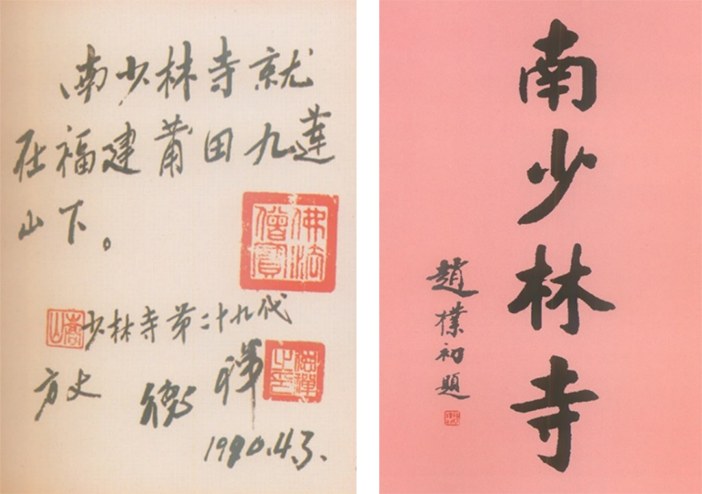
The 29th abbot of Shaolin Temple in Songshan, Master Dechan, personally wrote the inscription 'South Shaolin Temple is located at the foot of Jiulian Mountain in Putian, Fujian'.
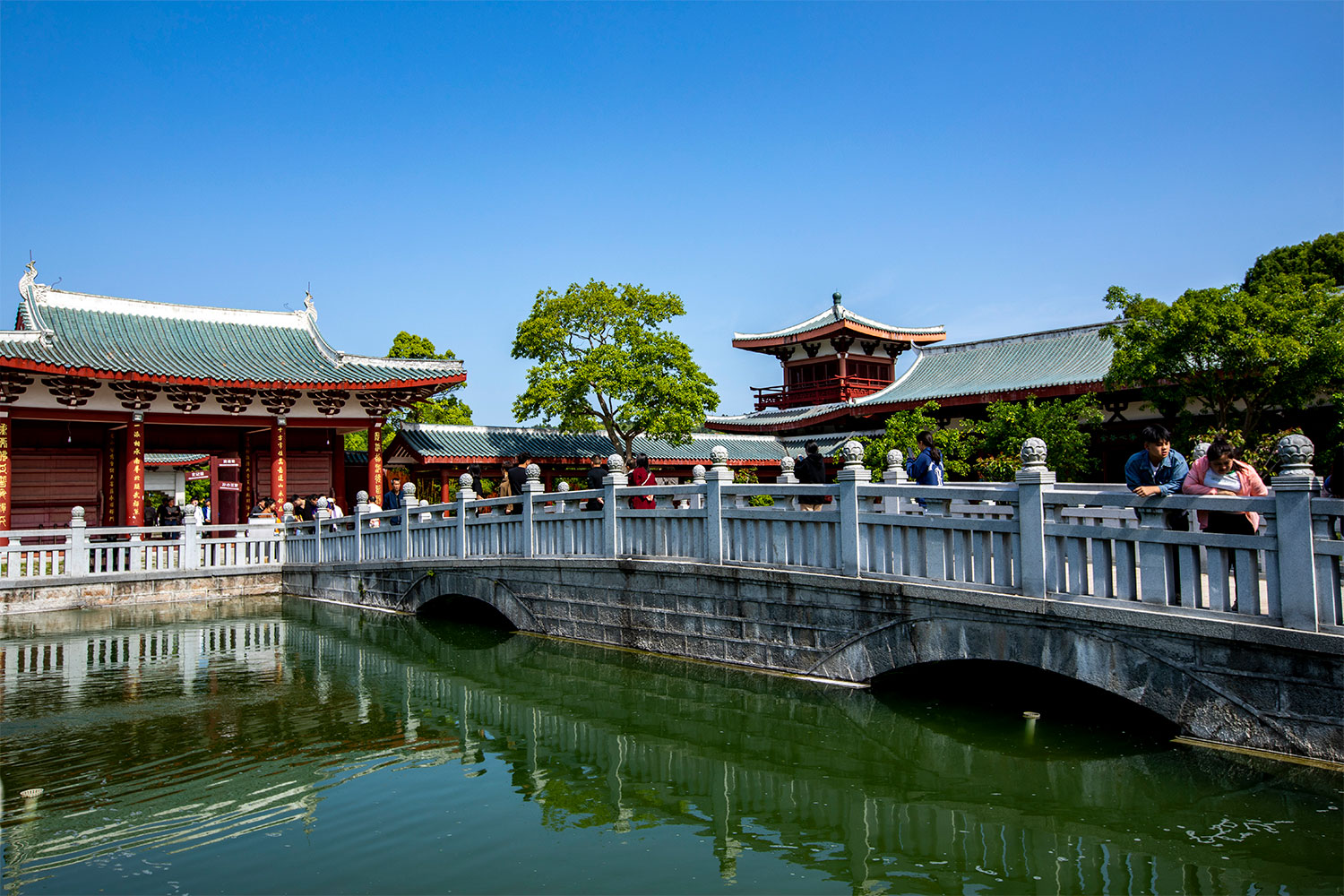
On December 8, 1998, the reconstruction project of the South Shaolin Temple in Jiulian Mountain was completed and began to open to the public both domestically and internationally.
During this period, multiple overseas groups visited Putian to investigate the site of the South Shaolin Temple, such as:
In June 1991, a Japanese Okinawan martial arts delegation led by Takashi Watanabe visited the "Putian South Shaolin Research Achievements Exhibition" and recorded the exhibits of the entire exhibition hall. They also visited and took photos at the excavation site of the South Shaolin Temple.
From June 19th to 21st, 1992, Liu Huijin, the leader of the Xinlian Hall of Hongmen Five Sacred Mountains in Taiwan, and Liu Guiting, the pillar attendant, led a group of three people to seek roots and pay respects to their ancestors at the site of Shaolin Temple in southern Putian; And visited the exhibition of research achievements and martial arts performances of South Shaolin. After returning to Taiwan, a press conference was held, and local media extensively reported on it. Among them, on July 11, the Taiwan News reported that "the domestic martial arts community visited Putian, Fujian and gained a lot - a journey to find roots in southern Shaolin", and on July 13, the China Morning Post reported that "Shaolin martial arts cover the world - an interview with Mr. Liu Huijin about his trip to southern Shaolin", praising his "journey to find roots".
On August 14, 1992, a delegation of five members from the Japanese Martial Arts Tai Chi Alliance, led by the Vice Chairman and Secretary General of the Asian Martial Arts Federation and the National Vice Chairman of the Japan China Friendship Association, Kumpei Muraoka, visited Fujian to investigate the martial arts and research of Southern Shaolin.

The Revival and Development of Nanshan Temple Martial Arts
-
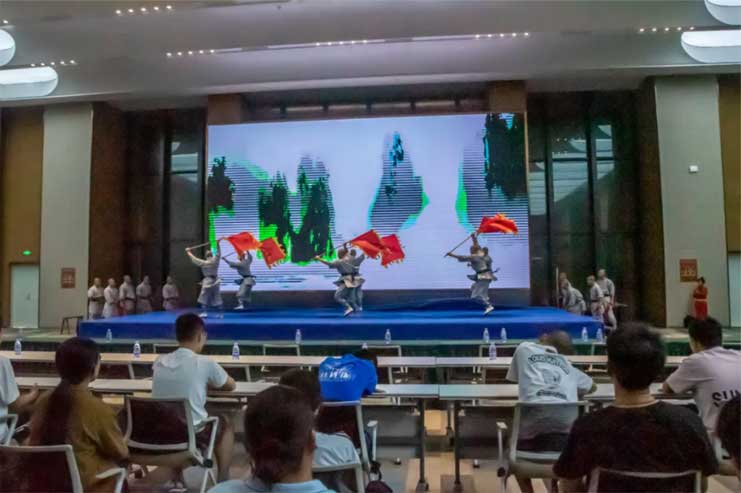 After the reconstruction and opening of the South Shaolin Temple, large-scale martial arts cultural exchange activities have been held multiple times
 -
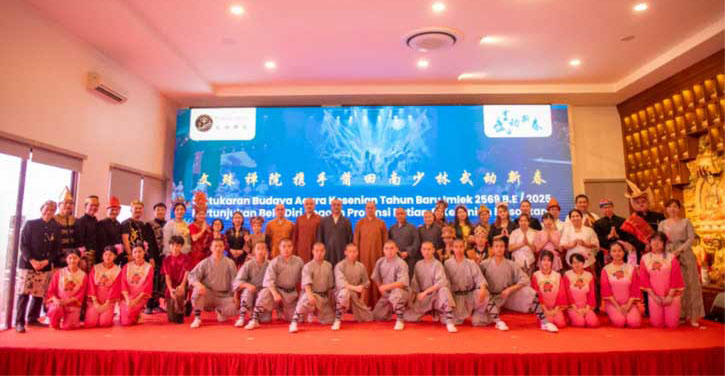 Warm reception, visit and exchange
 -
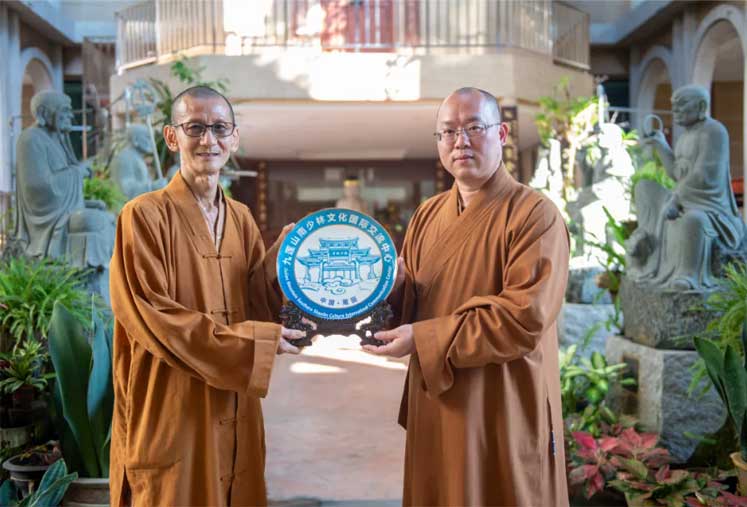 Visiting friends through martial arts and gaining fame overseas
 -
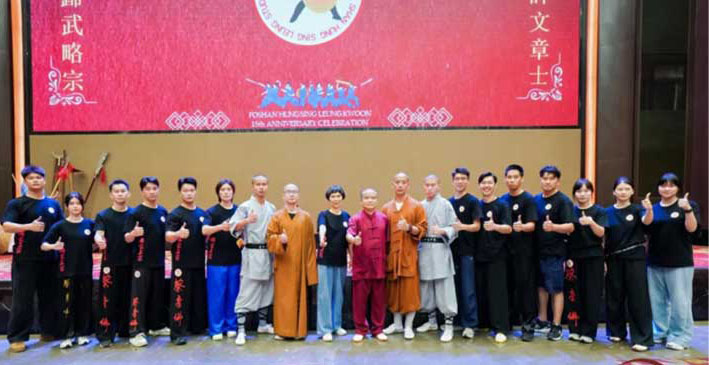 Southern Fist Ancestral Court, Intangible Cultural Heritage Inheritance