
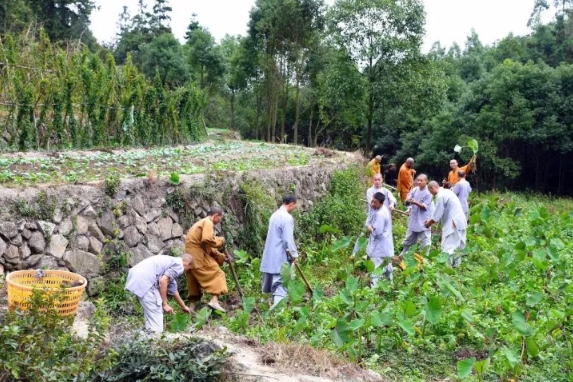
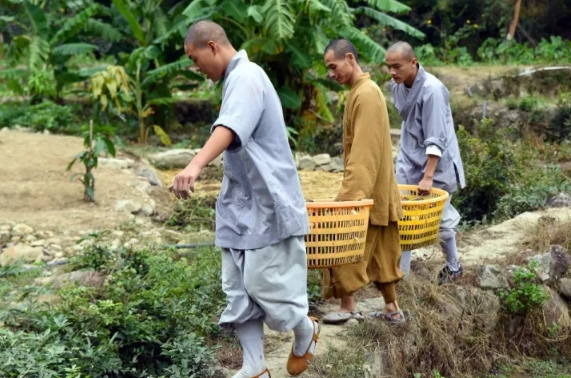
The agricultural and Zen life in the temple has always been a dream for many people. With a hoe and a few inches of farmland, one can set aside worldly worries and enjoy a day of leisure in the fields. The chance that urbanites hope for is actually a daily requirement for the Southern Shaolin Temple monastic community. On October 18, 2017, after the morning break, the monastic community collectively went out to dig taro, clean and harmonious, and joyfully worked.
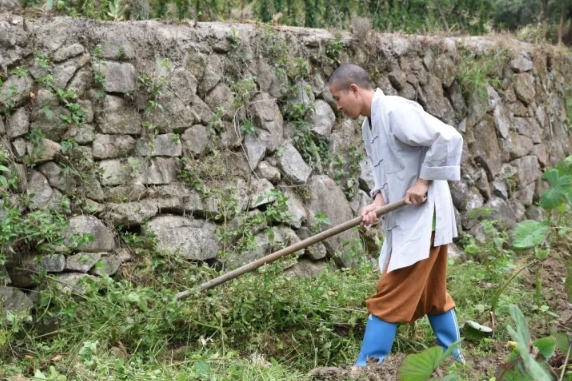
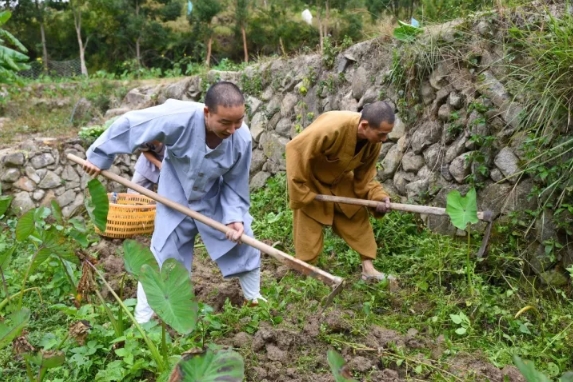
During the break between work, the fresh nature has also become the best backdrop for practicing martial arts. ha-ha! Look at my Mantis Fist, I caught a big taro!
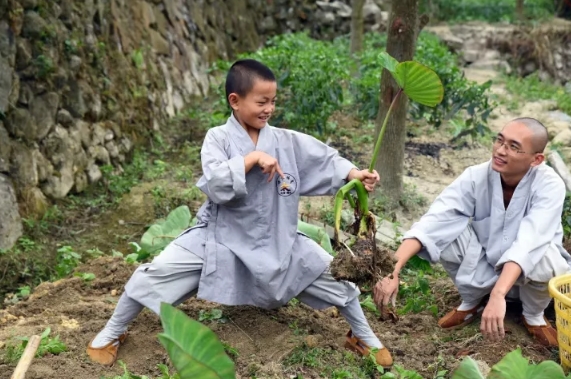
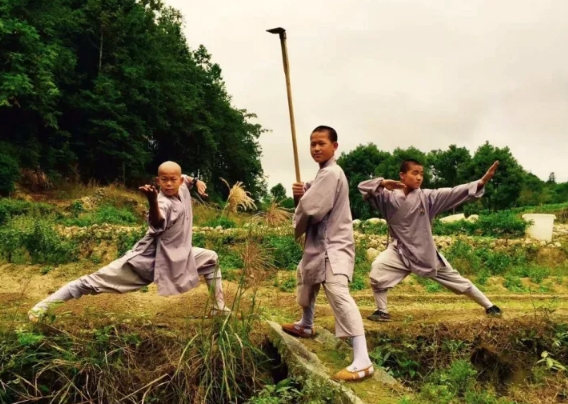
瞧瞧,带着泥土的气息,岂一个“鲜”字了得….
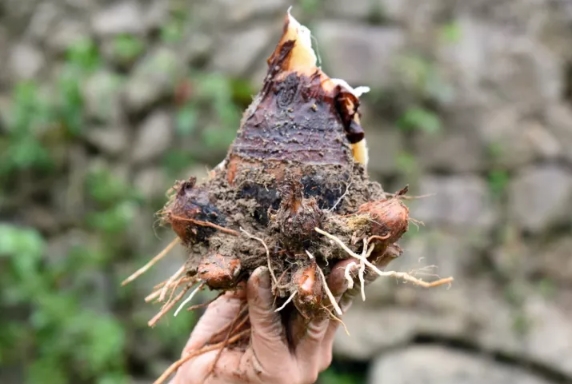
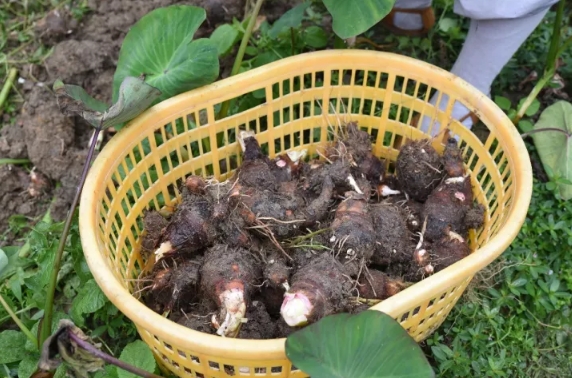
Returning with a full load, it's time to harvest!
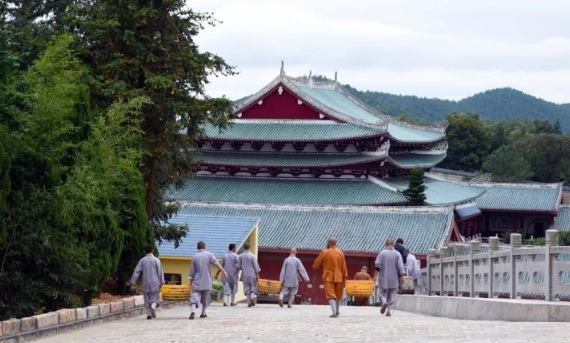
Regarding Nongchen, Nongchen is an important part of Chinese Buddhist Zen culture, characterized by "long-term cultivation of barren land" and "not doing or eating for a day". As a Zen temple, Nan Shaolin Temple in Putian has been practicing agricultural Zen culture. In the occasional agricultural Zen experience in the temple, what we may see is this kind of scenery Birds chirping and flowers blooming, a lush green landscape, fresh air, a paradise on earth
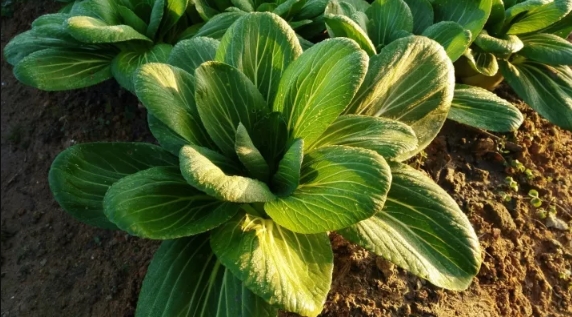
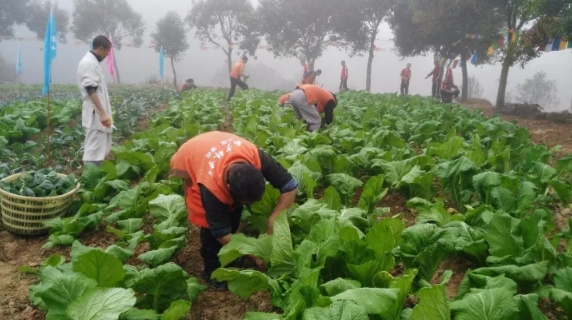
Behind this, I wonder how many mages and volunteers work hard and sweat? Long term cultivation of land "-" long-term "," cultivation "," wasteland "- these three words have different meanings for mages and volunteers who practice agricultural Zen culture
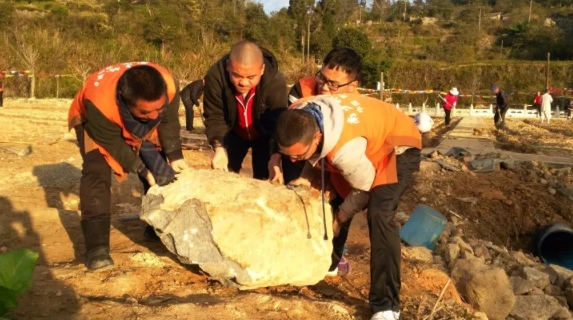
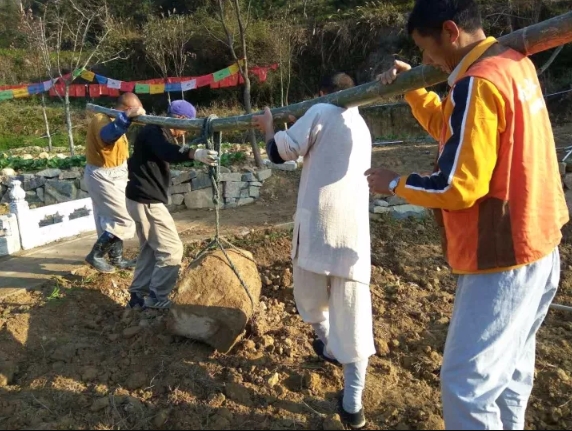
As early as the reigns of the fourth patriarch Daoxin and the fifth patriarch Hongren of Zen Buddhism, they advocated for equal emphasis on agriculture and Zen, stating that "transporting water and firewood is nothing more than a Buddhist practice, and pounding rice to make rice is a perfect way to participate. At the Southern Shaolin Temple, working in the fields is not only a self-sufficient way of survival, but also a cultivation method that involves touching the surface, seeing the Tao, and pointing directly to one's true heart. This big stone was lifted from the edge of the field to the ground and rested two or three times.
The Tang Dynasty's Budai monk once had a famous verse: "With your hands planted with green seedlings in the fields, you will see the water at its peak when you bow your head. Only with a pure heart can you find the way forward. Going back is actually moving forward." We cultivate barren land, cultivate fertile fields, remove giant stones, and hone our troubled habits. Through practical labor, we understand the true essence of meditation and practice every moment and place. After reading these, what have you learned?