

The cultural connection between Zen Buddhism and tea ceremony has a profound historical background. In the early days, monks drank tea to understand poverty. With the passage of time, monks began to understand the relationship between the two from a cultural perspective and eventually developed the cultural concept of "one taste of Zen tea".
Master Damo and Tea
There has always been a story circulating in Buddhism that when Bodhidharma Patriarch was facing the wall of Shaoshi Mountain, he was too tired and drowsy - his eyelids always fighting due to lack of pride. In a fit of anger, Patriarch Damo cut off his eyelids and threw them heavily to the ground. Unexpectedly, his eyelids grew into a tree as soon as they entered the ground. Later on, Master Bodhidharma realized that this small tree had been preserved, and his disciples began to pick its leaves for frying and drinking. Unexpectedly, it could have the effect of concentrating the mind, refreshing the mind, and stopping sleep. And this tree is a tea tree, and its leaves are naturally tea leaves.
Of course, this is just a legendary story, but behind the story lies a profound Buddhist connection between tea ceremony and Zen Buddhism. After the rise of Buddhism in China, monks began to form an inseparable bond with tea due to the need for meditation, with the core concept of "one flavor of Zen tea". Therefore, when we talk about tea ceremony today, we naturally cannot leave Buddhism for empty talk, but should combine the two.
Buddhism is not a religion that originated in China, it originated in India. When Buddhism was first introduced to China, there was no tea drinking tradition in temples. It was not until the emergence of Zen Buddhism and the need for monks to sit in meditation for long periods of time that tea drinking became popular in temples, creating conditions for the emergence of tea ceremony.
Why do monks drink tea
What are the reasons why monks drink tea? The legend of Bodhidharma Patriarch and tea to some extent answers this question.
Zen emphasizes the practice of sitting in meditation, with focused thinking. Sometimes, a single meditation session can last for dozens of days, causing monks to inevitably become drowsy. In order to refresh and invigorate the mind, eliminate fatigue, and better meditate, they began to drink a peculiar drink.
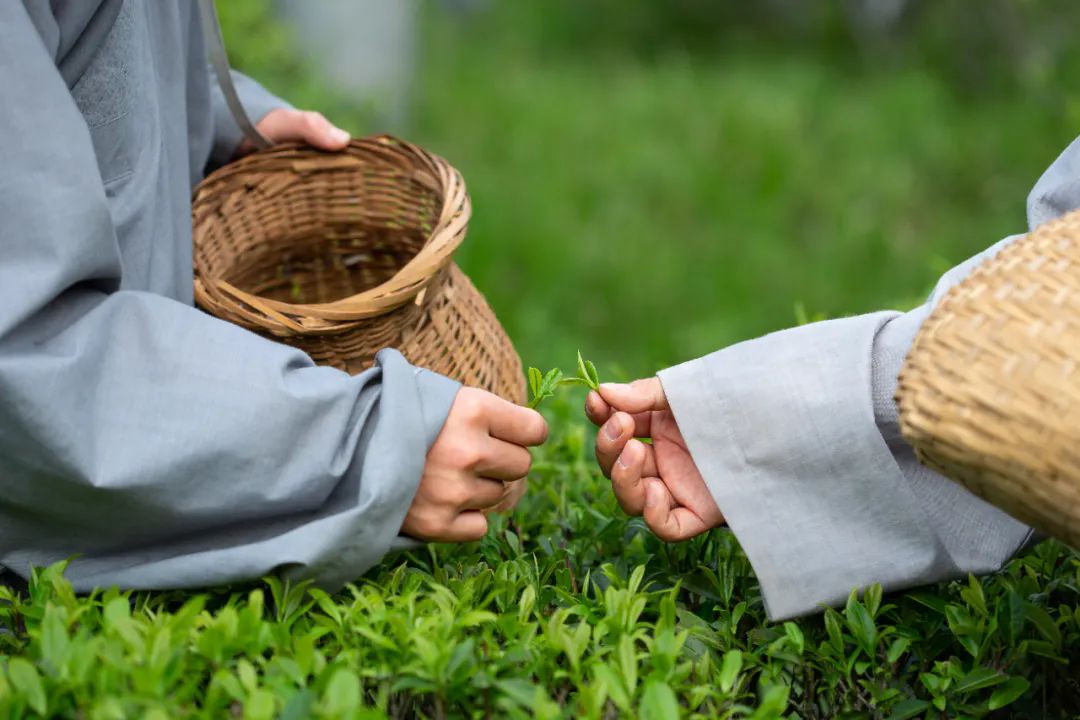
The Art Biography of the Book of Jin records: "The people of Dunhuang, known as Dan Daokai, were not afraid of the cold and heat. They often took small stones, which contained the fragrance of pine and osmanthus, and the tea they drank was just Su." Dan Daokai was a person from the Eastern Jin Dynasty. In history, he practiced meditation at Zhaode Temple and often took pills with the fragrance of pine, osmanthus, and honey. He also drank a drink called "Cha Su", which was made by boiling tea, ginger, osmanthus, orange, jujube, and other ingredients together. Tea can quench thirst and make people sleep less. Therefore, drinking tea has become an essential procedure for monks to meditate and practice Zen.
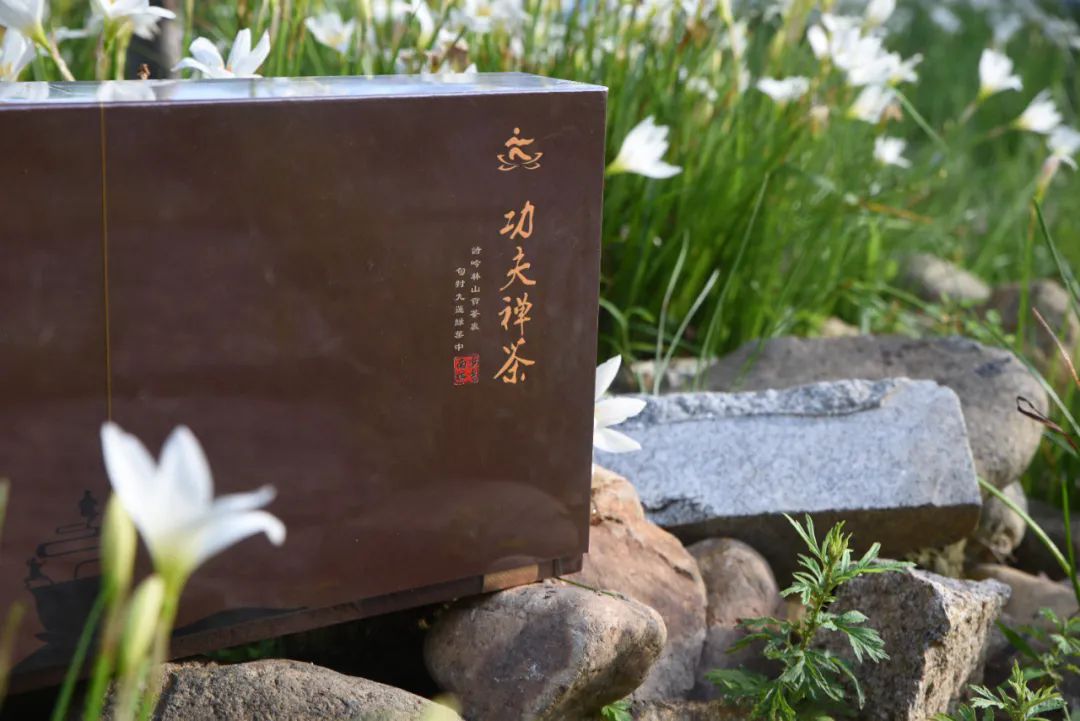
With the development of Zen Buddhism, drinking tea has also become popular in society. This is because Zen Buddhism places great emphasis on the concept of roundness, which allows it to coordinate with traditional Chinese culture and absorb valuable resources from it. This has been reflected in the development of tea ceremony culture.
——Taken from Han Bing's book "One Flavor of Zen Tea, Buddhism and Tea Ceremony"